Care & Connection Program Launches at Clarkston Community Center to Strengthen Social Connection
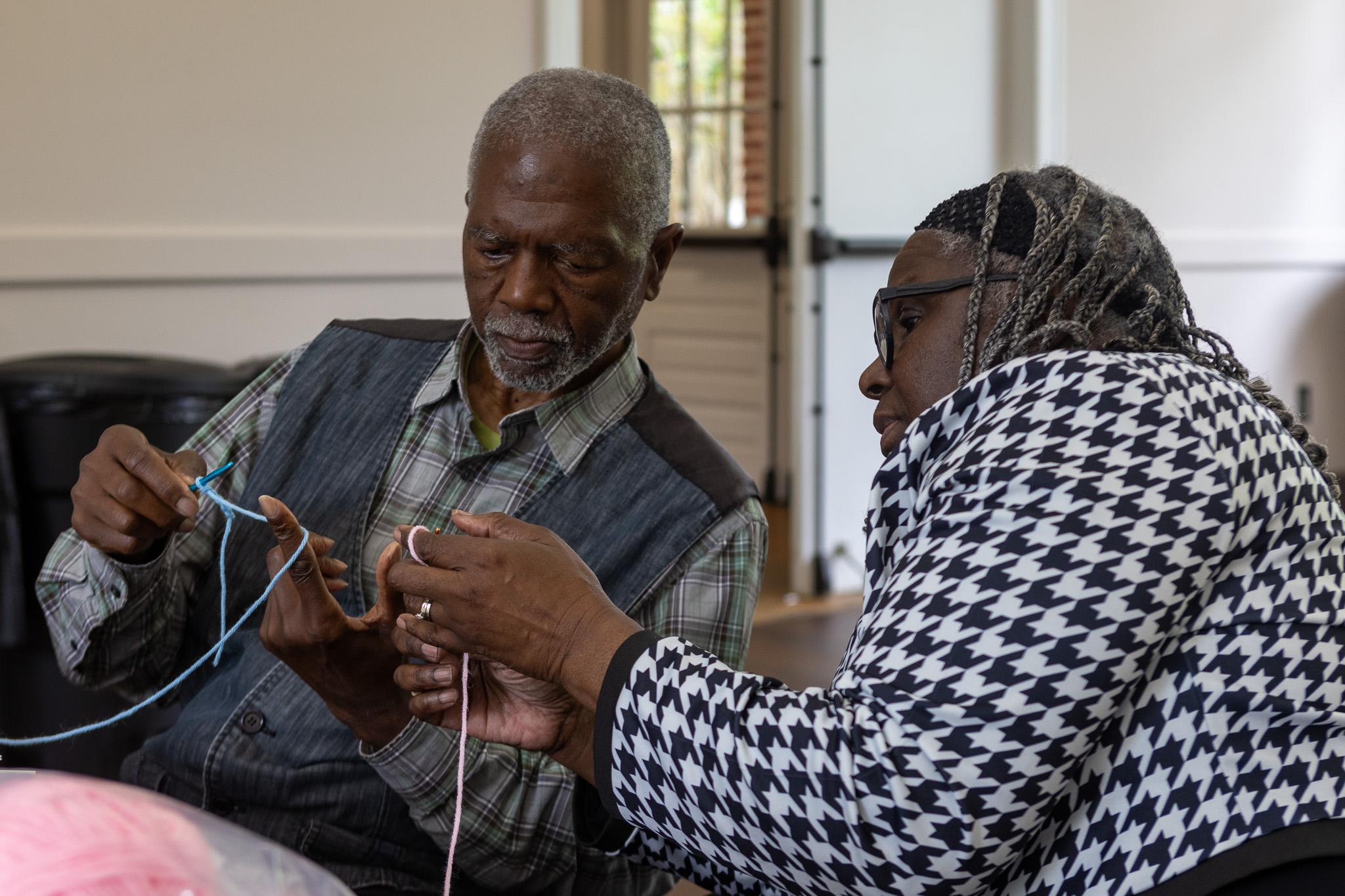
As we observe Mental Health Awareness Month this May, the Clarkston Community Center has launched Care & Connection, a new program designed to help residents strengthen social connection through mindfulness, creative activity, and shared community experience.
The program began this month at the Center as part of a partnership with Georgia State University and the Refugee Women’s Network. Through weekly sessions, participants take part in guided mindfulness exercises, hands-on activities, and group reflection in a setting intended to encourage connection, support, and steady participation over time.
Care & Connection was created to serve community members who may be experiencing social isolation or reduced social interaction. In Clarkston, where many residents are navigating stress, transition, and the demands of daily life, the program offers a structured space to slow down, connect with others, and build simple practices that support emotional well-being.
At the Clarkston Community Center, the launch of Care & Connection also points to the broader range of work taking shape inside the building. Along with hosting events and gatherings, the Center continues to work with partners to offer programs that respond to community needs and give residents opportunities to learn, connect, and access support close to home.
Preparing the program for launch involved coordinating participant communication, session materials, refreshments, attendance systems, and transportation support. Devin M. Young, the Center’s Arts and Culture Program Manager, manages the program at the Center and leads the mindfulness portion of the weekly sessions. The activity portion is led by Robbie Barnes, the Center’s new crafts instructor, who specializes in teaching crocheting as part of the program.
As the first cohort gets underway, Care & Connection adds to the Center’s growing mix of community-based programs shaped around care, connection, and practical support. For the Clarkston Community Center, it is another example of how a neighborhood gathering place can also serve as a steady point of access for programs that help residents feel more connected to one another and to the community around them.